


Golf Recovery: What Actually Helps After 18 Holes
Golf Recovery: What Actually Helps After 18 Holes

Golf Recovery: What Actually Helps After 18 Holes
Golf doesn’t look like a sport that requires recovery — no sprints, no contact, no obvious physical toll. But four-plus hours of walking (often carrying or pushing a bag), a repetitive rotational swing that loads the same joints hundreds of times, and hours spent standing or bending over a ball adds up to real physical fatigue. Ask anyone who’s played 36 holes in a day or a multi-day tournament: golf recovery is a real thing, and most golfers do almost nothing intentional about it.
We built Golf Gummies around golf’s demands from the start back in 2020 — not just the mental side (first-tee nerves, focus that drifts, the balance between energy and calm) but the physical toll of a long round too. Here’s what actually helps your body recover after 18 holes, and where supplementation realistically fits into that picture.
Why Golf Takes More Out of You Than It Looks Like
A single round of golf typically means:
- 4–8 miles of walking, more if you’re carrying your own bag, often on uneven terrain
- Hundreds of repetitions of a rotational motion that loads the back, hips, shoulders, and wrists asymmetrically (most golfers only swing one direction)
- Hours of standing, bending, and reaching — teeing up, reading greens, retrieving balls from the rough
- Sun and heat exposure for an extended period, which adds a hydration and fatigue cost most golfers underestimate
None of this is dramatic in the moment. It shows up the next morning as a stiff lower back, tight hips, or the kind of general fatigue that makes back-to-back rounds noticeably harder than the first one.
The Three Pillars of Golf Recovery
1. Hydration
This is the recovery basic golfers skip most. A round spent outdoors, often in heat, means more fluid and electrolyte loss than people expect from a “walking” sport. Under-hydrating doesn’t just affect the next day — it affects the back nine of the round you’re currently playing, showing up as fatigue and a swing that gets sloppier as the round wears on. Replacing water alone isn’t enough; electrolytes (sodium, potassium, magnesium) lost through sweat need replacing too. For a deeper look at timing this around your round, see our hydration guide for golfers.
2. Nutrition and Antioxidants
Repetitive physical activity — even something as comparatively gentle as golf — creates oxidative stress in the body, and nutrition plays a real role in managing it. A recent nutrition science review on post-exercise recovery points to antioxidant-rich foods, adequate protein, and proper carbohydrate replenishment as consistent factors in helping the body recover from repetitive physical activity — though the review is also clear that research in this area is still evolving, and no single food or supplement is a magic fix. Green tea, in particular, is a well-known source of antioxidants that many golfers already reach for during a round.
3. Rest and Pacing
Recovery isn’t only physical inputs — it’s also giving your body time. Golfers who play multiple rounds in a short window (a buddies trip, a weekend tournament) tend to recover best when they build in deliberate rest between rounds rather than treating golf as low-impact enough to skip recovery altogether. Simple habits — stretching after a round, elevating your feet, getting a full night of sleep — matter more than any single product.
Where Golf Gummies Fits Into Recovery
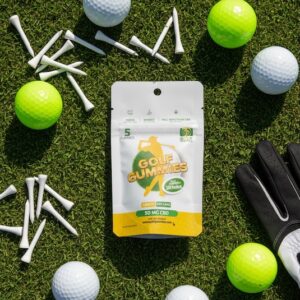
Golf Gummies weren’t built as a recovery product first — they were built around the mental demands of a round. But the green tea extract in every bag (30mg) carries the same antioxidant properties golfers already look for in recovery nutrition, alongside Vitamin B12 to support energy through a long day on the course. They’re not a substitute for hydration, sleep, or a reasonable diet — think of them as one small piece of a bigger recovery picture, not the whole plan. If you’re building out a fuller supplement routine, our guide to golf supplements covers the other pieces worth considering.
FAQ
Do golfers actually need to think about recovery like other athletes?
Yes, especially for multi-round days or tournament weekends. Golf’s physical demands (walking, repetitive rotation, sun exposure) are easy to underestimate because the sport looks low-intensity, but the fatigue is real and compounds over back-to-back rounds.
What’s the single most impactful recovery habit for golfers?
Hydration, by a wide margin. It affects both the round you’re currently playing and how you feel the next day, and it’s the recovery basic most golfers skip.
Does stretching before or after a round matter more?
Both matter for different reasons — before a round for injury prevention and swing range of motion, after a round for reducing next-day stiffness from the repetitive rotational motion.
Can Golf Gummies replace a real recovery routine?
No — they’re a small piece (energy support and antioxidants from green tea) alongside hydration, nutrition, and rest, not a replacement for any of them.
Try It for Yourself
Golf recovery doesn’t require a pro athlete’s routine — just a little more intention than most golfers give it. Start with hydration, and build from there. Try Golf Gummies →
Responses (0)
More from Golf Gummies

Best Supplements for a 36-Hole Golf Day
A 36-hole day is a different animal than your standard weekend round. You’re not just…
How Much Do Golf Gummies Cost? A Price Breakdown
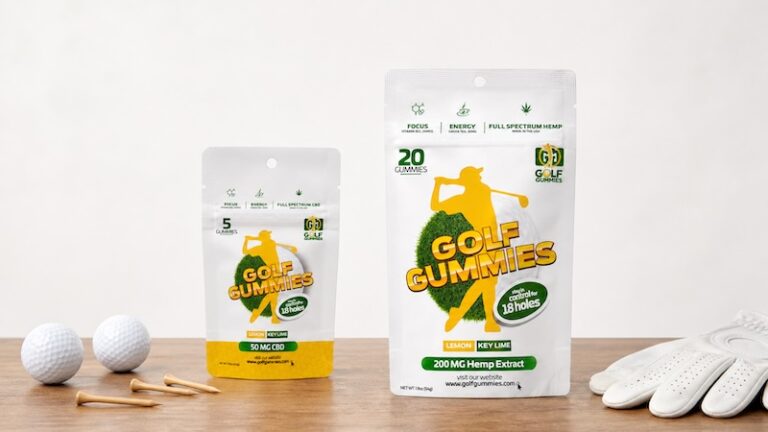
Golf Gummies run $39.95 for a 20-count bag, or $9.99 for a 5-count sample pack…
Types of Golf Chewable Supplements, Compared
Golf chewable supplements aren’t one category — “chewable” just describes the format, and the actual…
Do Golf Gummies Really Work? An Honest Look
Reasonable question, and the honest answer is: it depends what “work” means. If you’re expecting…

No responses yet. Be the first to share your thoughts!