
Golf Terms Explained: A Beginner’s Slang Glossary
Golf Terms Explained: A Beginner’s Slang Glossary

Golf terms explained plainly: golf has its own vocabulary, and a lot of it doesn’t explain itself. Here’s a plain-language glossary of the golf terms and slang you’ll actually hear on the course.
Golf Terms Explained: Course Terms
Fairway — the mowed, well-maintained strip of grass between the tee and the green, where you want your shots to land.
Rough — the longer, less maintained grass bordering the fairway; harder to hit from.
Green — the very short, smooth grass surrounding the hole, where you putt.
Tee box — the starting area for each hole, where you tee off.
Dogleg — a hole that bends left or right partway down the fairway instead of running straight.
Links — technically refers to a specific coastal, dune-based course style (originally Scottish), though it’s often used loosely to mean “golf course” generally.
Fringe (or apron) — the short grass bordering the green, slightly longer than the green itself but shorter than the fairway.
Shot and Play Terms
Fore — the warning shout when a ball is heading toward someone; yell it immediately and loudly if your shot heads toward another group.
Mulligan — a casual “do-over” shot, most commonly allowed (informally) on the first tee; not part of official rules, but common in relaxed rounds.
Gimme — a short putt so close to the hole that the group agrees to count it as made without actually putting it, common in casual play.
Slice — a shot that curves hard to the right for a right-handed golfer (left for a lefty), usually unintentional.
Hook — the opposite of a slice — a shot that curves hard to the left for a right-handed golfer.
Shank — a badly mis-hit shot off the club’s hosel (near the shaft), sending the ball sharply off-line; widely considered the most frustrating mishit in golf.
Chunk (or fat shot) — hitting the ground before the ball, losing distance and often digging up turf.
Player and Skill Terms
Scratch golfer — a player skilled enough to average par, meaning a 0 handicap.
Sandbagger — a player who deliberately reports a higher handicap than their actual skill level to gain an unfair advantage in handicap-based competitions.
The yips — a sudden, often stress-related loss of fine motor control, most commonly affecting putting; a well-known phenomenon even among experienced golfers.
Duffer — an informal, self-deprecating term for a mediocre or beginner golfer — not an insult when used casually among friends.
Most of these are informal, common-usage terms rather than official ones — for the formally defined terms used in actual rulings, the USGA Rules Hub maintains the official Rules of Golf definitions.
FAQ
What does “fore” actually mean?
It’s a warning shout used when a ball might hit someone — yell it loudly and immediately if your shot is heading toward another group or person.
Is a mulligan an official rule?
No — it’s an informal, casual-play custom, most common as a first-tee do-over, and generally not allowed in formal or tournament rules.
What’s the difference between a slice and a hook?
A slice curves toward your dominant side (right for right-handers); a hook curves the opposite way. Both are usually unintentional mishits.
Why do people call bad golfers “duffers”?
It’s a lighthearted, self-deprecating term used casually among golfers — not meant as a real insult.
Bottom Line
Half the intimidation of golf terminology disappears once you know a dozen or so common terms — the rest you’ll pick up naturally the more you play. Pair this glossary with the basic rules and how scoring works and you’ll be speaking the language by your second or third round. If you’re curious what’s actually in the gummies some golfers keep in their bag, here’s the plain-language breakdown.
Responses (0)
More from Golf Gummies
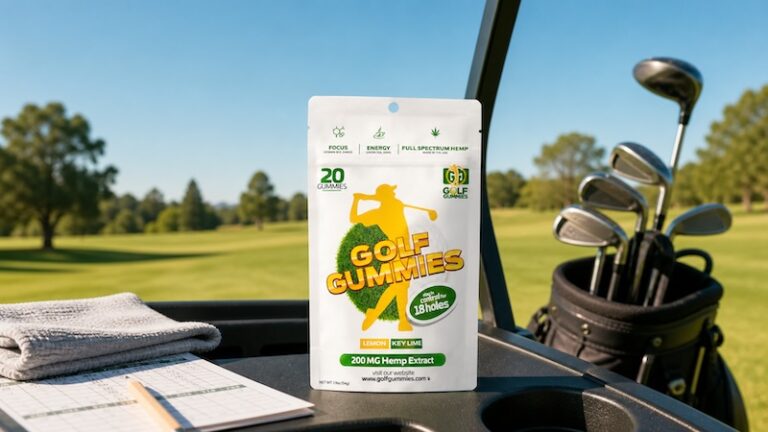
Best Supplements for a 36-Hole Golf Day
A 36-hole day is a different animal than your standard weekend round. You’re not just…
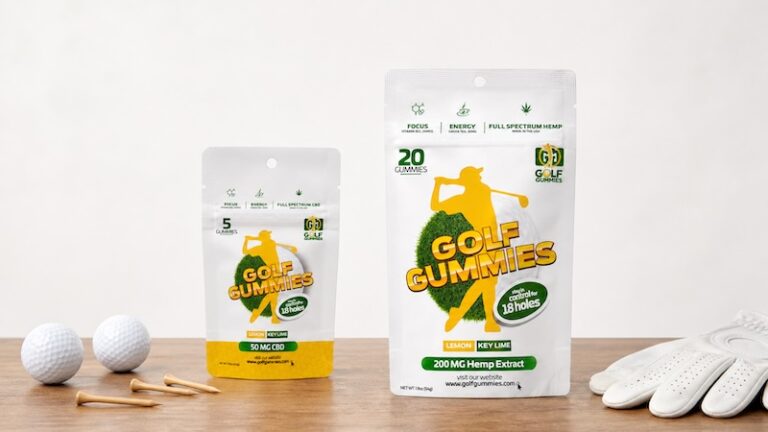
How Much Do Golf Gummies Cost? A Price Breakdown
Golf Gummies run $39.95 for a 20-count bag, or $9.99 for a 5-count sample pack…
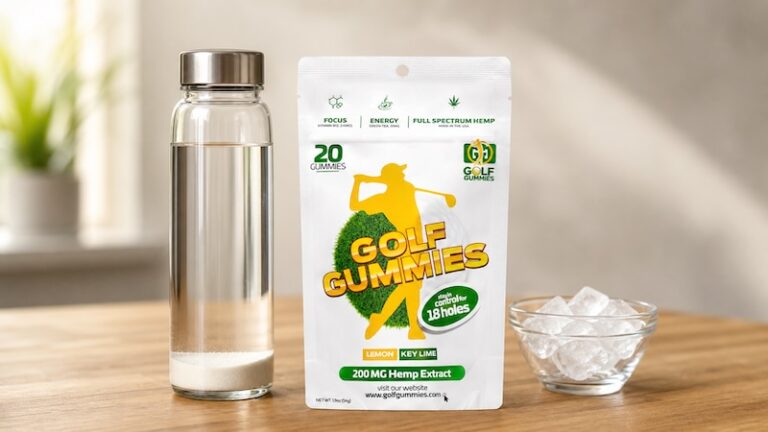
Types of Golf Chewable Supplements, Compared
Golf chewable supplements aren’t one category — “chewable” just describes the format, and the actual…
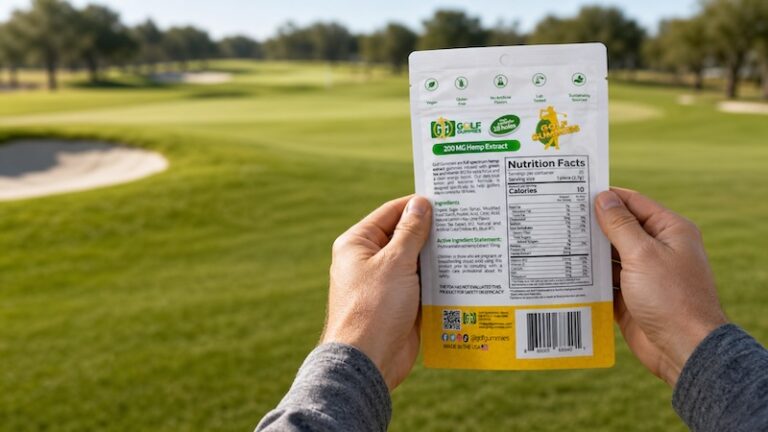
Do Golf Gummies Really Work? An Honest Look
Reasonable question, and the honest answer is: it depends what “work” means. If you’re expecting…

No responses yet. Be the first to share your thoughts!